Do monolingual, bilingual, and bidialectal children communicate differently?
Description:
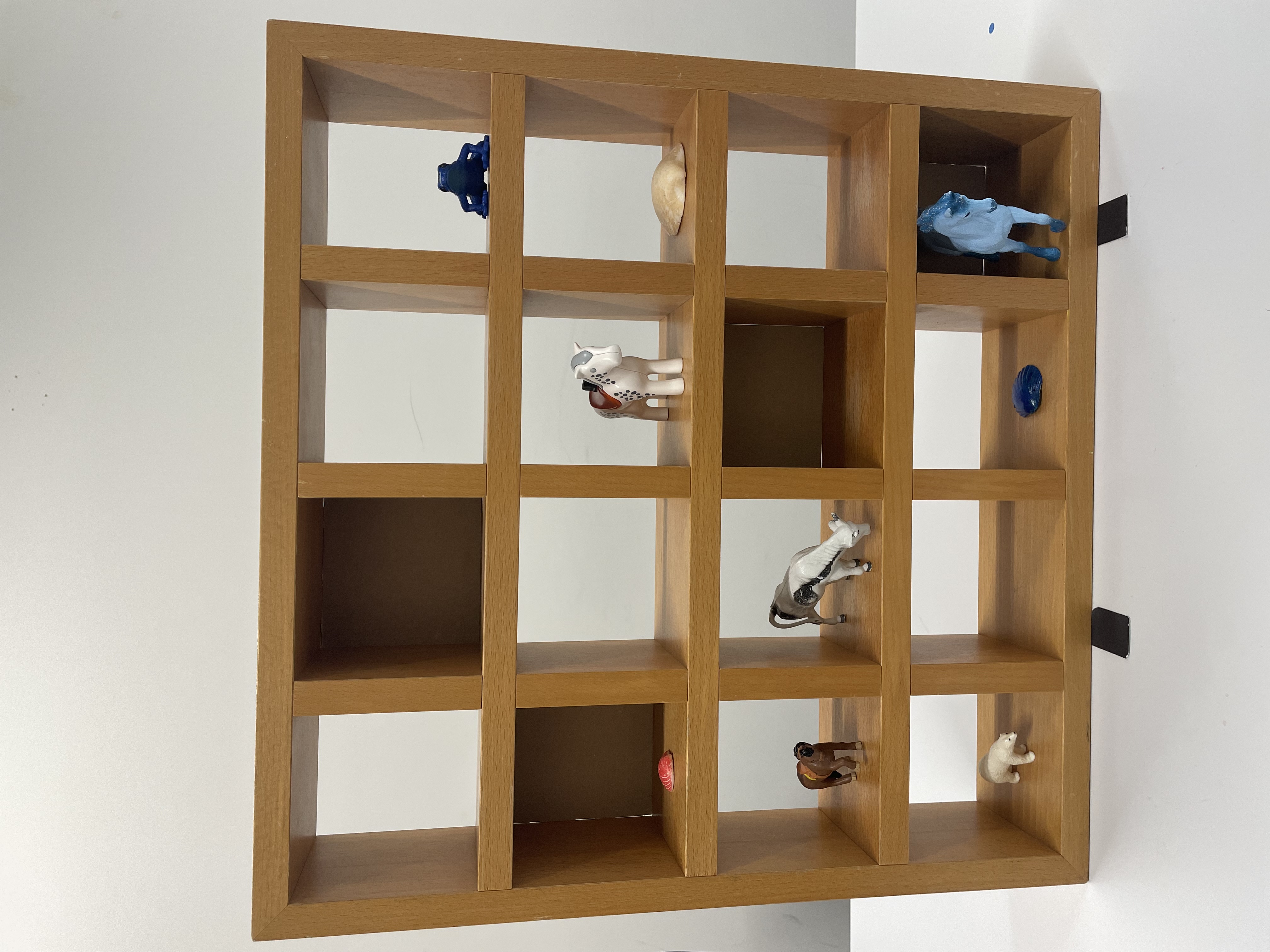
In this study, we are investigating how monolingual, bilingual, and bidialectal (German-Swiss German) children differ in their way of communicating and understanding communication. The children are allowed to play various games with the study leaders. For example, they can find toys, answer simple questions, or click on the correct pictures on the computer. We look at the children's vocabulary, how they communicate, control their impulses, and switch between tasks. Parents are also asked to fill out a questionnaire about how they currently perceive the world and how they think it should be. This is used to determine whether their values and perceptions influence their children's communication.
Methods: behavioural
Duration: approx. 60 minutes
Number of appointments: 1
Age window: 3-4 years
Study management (implementation): Chiara Carrel, Merve Bot
Project management (supervisor): Dr. Joanna Rutkowska& Esmee Aalders, M.Sc.
Location: Psychological Institute Oerlikon